



Subtotal $0.00
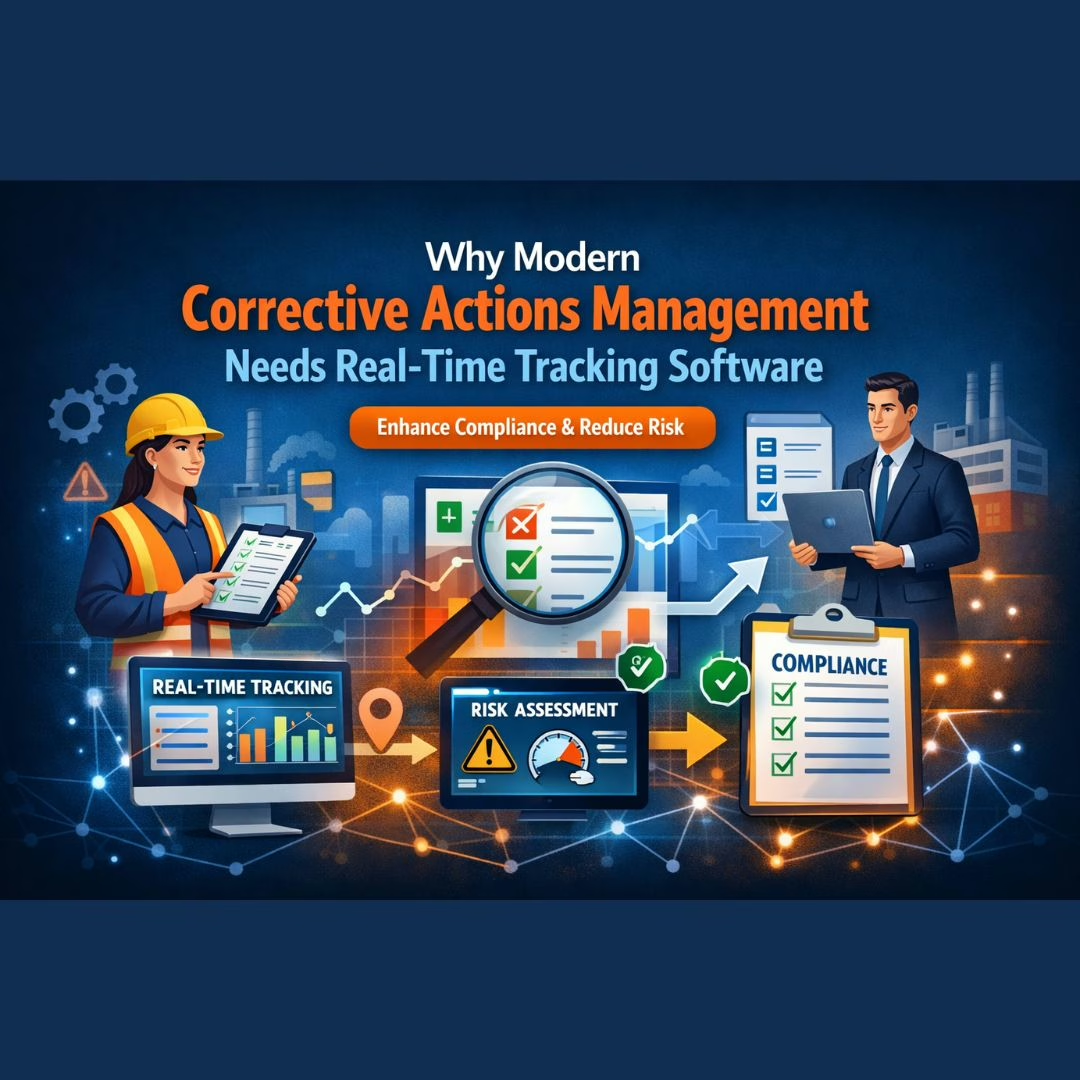
Organizations across industries are under increasing pressure to operate safely, efficiently, and transparently. Incidents, near misses, audit findings, and process failures are inevitable in complex operations, but how businesses respond to these issues defines their long-term success. What truly separates high-performing organizations from reactive ones is not the absence of problems, but the strength of their corrective actions management. The ability to identify risks, assign responsibility, track progress, and verify completion in real time has become a critical differentiator in modern compliance and safety frameworks.
For years, many companies relied on spreadsheets, emails, or fragmented tools to manage corrective measures. While these methods may have worked in smaller setups, they struggle to scale with growing operational complexity. Delays, miscommunication, missing documentation, and lack of visibility often result in unresolved risks that resurface later with greater consequences. This is where a structured and technology-driven approach becomes essential. A well-designed Corrective actions module within a digital system brings clarity, accountability, and consistency to how organizations handle non-conformities and preventive measures.
The Growing Need for Structured Corrective Actions
In high-risk industries such as construction, manufacturing, oil and gas, healthcare, and logistics, corrective measures are not optional — they are fundamental to operational integrity. Every incident, safety observation, or audit finding requires a systematic response rather than a reactive fix. Without a standardized approach, teams often treat issues as isolated events instead of learning opportunities. This limits organizational growth and increases the likelihood of recurring failures.
A centralized Corrective actions module transforms this fragmented approach into a structured workflow. Instead of scattered reports and unclear responsibilities, every issue follows a defined lifecycle — from identification and root cause analysis to action planning, execution, and verification. This consistency ensures that lessons learned from one incident benefit the entire organization rather than remaining confined to a single department or site.
More importantly, a digital module eliminates guesswork. Stakeholders can see exactly where each action stands, who owns it, and what deadline is approaching. This transparency not only improves efficiency but also builds trust among management, auditors, and frontline workers.
Real-Time Visibility as a Game Changer
Traditional corrective processes often suffer from time lags. An issue may be identified today, but updates might not reach decision-makers until days or weeks later. By then, the situation may have escalated or caused further disruptions. Real-time monitoring changes this dynamic entirely.
A robust Corrective action tracking software enables instant updates across teams and locations. When an inspector logs a safety concern, supervisors are immediately notified. When a corrective step is completed, management can verify progress without waiting for manual reports. This continuous flow of information creates a culture of accountability and responsiveness.
Beyond speed, real-time tracking also supports better decision-making. Leaders can analyze patterns across incidents, identify recurring risks, and allocate resources more strategically. Instead of reacting to crises, organizations become proactive in preventing them. This shift from reactive to predictive safety management is one of the greatest advantages of modern digital tools.
Strengthening Compliance Through Technology
Regulatory compliance is a major driver behind the adoption of digital corrective systems. Auditors and regulators increasingly expect clear documentation, traceability, and evidence of continuous improvement. A weak or inconsistent process can result in penalties, reputational damage, or even operational shutdowns.
A structured Corrective action compliance framework ensures that every action is recorded, justified, and completed within defined timelines. Digital systems create an auditable trail that demonstrates due diligence at every stage. Instead of scrambling to gather paperwork before an inspection, organizations can instantly retrieve complete histories of past incidents and resolutions.
Moreover, compliance is not just about avoiding fines — it is about protecting people, assets, and business continuity. When corrective actions are properly managed and tracked, companies reduce the likelihood of serious incidents that could harm employees, disrupt operations, or impact the environment. In this way, technology supports both legal obligations and ethical responsibility.
Risk Assessment Integrated with Corrective Actions
Risk does not disappear once an incident is resolved. In fact, every event provides valuable insights into underlying vulnerabilities within a system. A forward-thinking approach connects corrective measures directly with broader risk management strategies.
A strong Corrective action risk assessment process helps organizations move beyond surface-level fixes. Instead of merely addressing symptoms, teams analyze root causes and evaluate how similar risks could manifest elsewhere. This holistic perspective transforms isolated incidents into opportunities for system-wide improvement.
Digital platforms make this integration seamless. Data from past incidents, inspections, and audits can be analyzed collectively to identify trends. If multiple issues arise from the same type of equipment, procedure, or contractor, leadership can take preventive action before another failure occurs. In this sense, real-time tracking not only manages problems but actively reduces future risk.
Collaboration Across Teams and Sites
Large organizations often struggle with siloed communication. Different departments may handle corrective measures independently, leading to duplication of effort or inconsistent practices. A centralized system breaks down these barriers by providing a shared platform for collaboration.
With a unified Corrective actions management approach, safety officers, supervisors, engineers, and contractors can work from the same source of truth. Everyone sees the same data, follows the same workflows, and understands their responsibilities clearly. This alignment reduces confusion and accelerates resolution.
Real-time tools also enhance contractor coordination. When external partners are involved in corrective work, they can receive assignments, upload evidence, and confirm completion directly within the system. This eliminates back-and-forth emails and ensures accountability across organizational boundaries.
How Real-Time Tracking Improves Accountability
One of the biggest challenges in traditional systems is the lack of ownership. When responsibilities are unclear, tasks get delayed or ignored. Digital tracking solves this by assigning specific actions to named individuals with clear deadlines.
Automated reminders and escalation mechanisms further reinforce accountability. If an action is approaching its due date, the responsible person receives alerts. If it remains incomplete, higher-level managers are notified. This structured follow-up prevents issues from slipping through the cracks.
Over time, this level of transparency also influences behavior. When employees know that progress is visible and measurable, they are more likely to take corrective responsibilities seriously. This cultural shift toward responsibility and ownership is just as valuable as the technical benefits of the software itself.
From Data Collection to Continuous Improvement
Collecting data is only useful if it leads to meaningful improvement. Real-time tracking systems generate rich insights that can drive strategic decision-making. Patterns in corrective actions reveal systemic weaknesses that may require policy changes, additional training, or equipment upgrades.
Organizations can also measure the effectiveness of their corrective measures. If certain types of actions consistently fail to prevent repeat incidents, leaders can refine their approach. This continuous feedback loop transforms compliance from a checkbox exercise into a dynamic process of learning and growth.
Over time, businesses that embrace this approach build stronger safety cultures, more resilient operations, and greater trust among employees and stakeholders. Real-time Corrective action tracking software thus becomes not just a tool, but a foundation for long-term organizational excellence.
Why Every Modern Organization Needs This Shift
As operations grow more complex and regulations become stricter, manual or fragmented systems are no longer sufficient. Companies that fail to modernize their corrective processes risk inefficiency, non-compliance, and preventable incidents.
A digital Corrective actions module could help also standardize workflows, improve visibility, and create a more proactive safety environment. Instead of reacting to problems after they escalate, organizations gain the ability to anticipate and prevent them.
Real-time tracking does more than streamline processes — it empowers people. Frontline workers feel heard when their concerns are addressed quickly. Managers gain confidence through clear oversight. Executives make better decisions based on reliable data. Together, these elements create a stronger, safer, and more accountable organization.
Conclusion
The evolution of corrective practices from manual records to real-time digital systems represents a major shift in how organizations manage risk, safety, and compliance. A structured approach supported by technology enables businesses to move beyond reactive problem-solving and build truly preventive systems. When corrective actions are transparent, trackable, and data-driven, organizations gain better control over operations while fostering a stronger safety culture.
With the right digital framework in place, teams can collaborate more effectively, close issues faster, and continuously improve their processes. Platforms like EHA Soft Solutions are designed to support this transition by helping organizations streamline their corrective workflows, enhance visibility, and strengthen accountability across teams. By integrating real-time tracking with risk and compliance management, businesses are better equipped to reduce incidents, improve efficiency, and create safer workplaces for everyone involved.
Ultimately, modern Corrective action tracking software is not just a tool — it is a foundation for safer, smarter, and more resilient operations.
Book your personalized demonstration today
🚀 Start a trial today and see how our platform can support your safety goals!
📧 info@ehasoft.com | 🌐 www.ehasoft.com
📞 USA: +1 (941) 337-1671
📞 IE: +353 21 4536034
📞 UK: +44 800 8021092
For more information on how our solutions could help your organization stay ahead, contact us today!

Comments are closed