



Subtotal $0.00
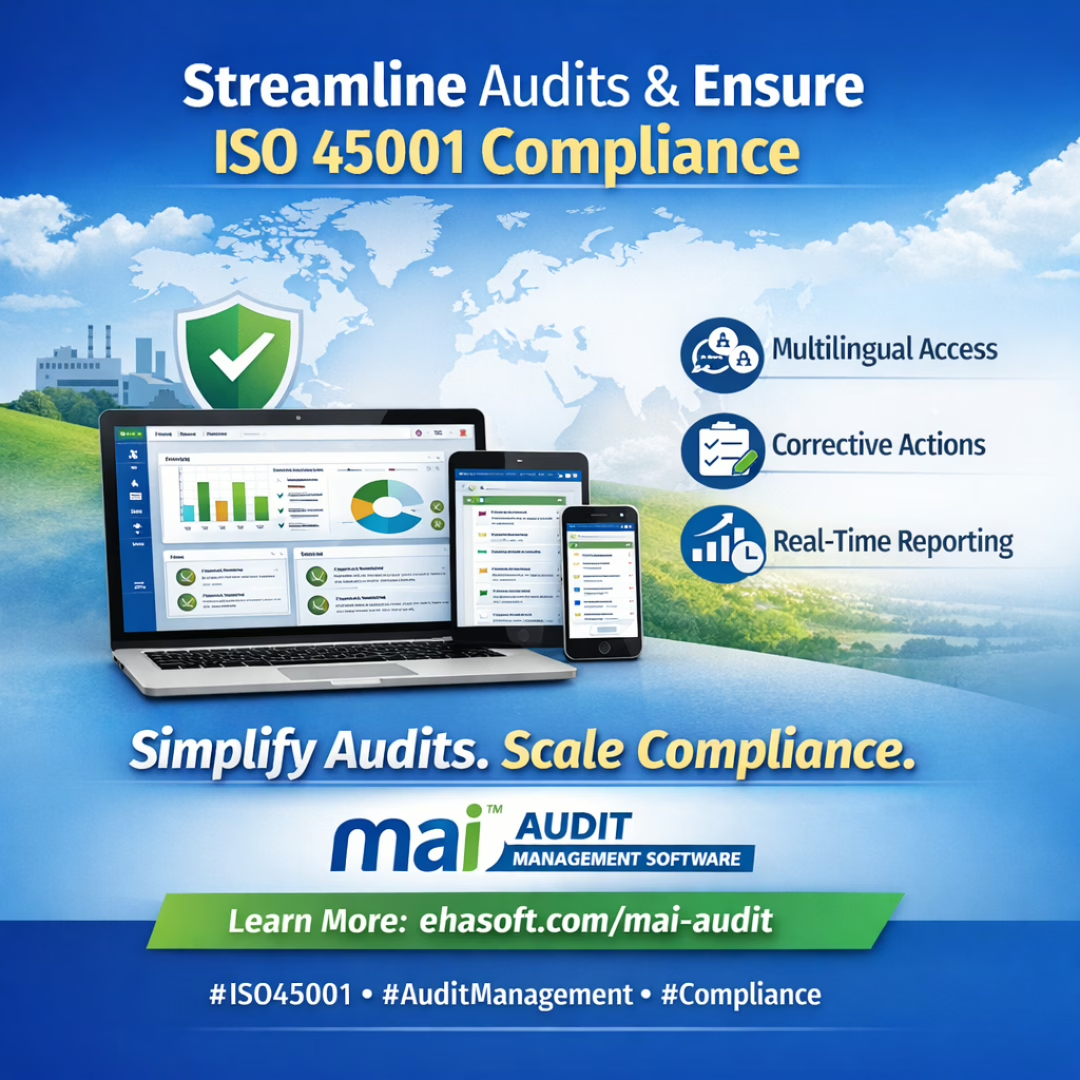
Audits are essential for maintaining compliance, improving operational performance, and identifying risks before they become serious problems. Yet many organizations still rely on spreadsheets, manual documentation, and scattered communication when managing audits. This often leads to missed follow-ups, inconsistent reporting, and difficulty proving compliance when it matters most.
A modern audit management software platform could help organizations simplify this entire process while creating stronger control over compliance activities. Instead of managing audits through disconnected tools, teams can bring everything together into one centralized system that supports planning, execution, reporting, and corrective actions.
For organizations aiming to strengthen governance and streamline compliance processes, adopting a structured digital approach could significantly improve how audits are conducted and managed.
Why Manual Audit Processes Often Slow Organizations Down
In many organizations, audit activities are still handled through spreadsheets, documents, and email communication. While these methods may seem manageable at first, they often become difficult to control as the organization grows.
Audit schedules may be forgotten, corrective actions can be delayed, and documentation might be difficult to locate when preparing for external assessments. Without a structured process, teams often spend more time organizing data than actually improving compliance.
Implementing a structured audit management system could help eliminate these challenges by centralizing the entire audit lifecycle. When all audit activities are stored within one platform, teams gain clearer visibility into upcoming audits, findings, and corrective actions.
This shift from manual processes to digital oversight could help organizations operate more efficiently while maintaining stronger compliance controls.
Turning Audits Into a Strategic Business Advantage
Audits should not simply be treated as compliance obligations. When managed properly, they can provide valuable insights that help organizations strengthen processes, reduce operational risks, and improve performance.
A dedicated audit management module allows organizations to standardize audit procedures and ensure that assessments are conducted consistently across departments and locations. Teams can use structured checklists, predefined audit templates, and automated reporting tools to simplify the auditing process.
By introducing this level of structure, organizations can focus less on administrative tasks and more on identifying opportunities for improvement.
When audit information is captured digitally and shared across teams, leaders gain better insight into operational performance and compliance readiness.
Supporting Compliance While Improving Operational Efficiency
Maintaining compliance with regulatory frameworks and international standards often requires extensive documentation and ongoing monitoring. Without the right tools, managing these requirements can become overwhelming.
An effective audit management system could help organizations capture audit findings, maintain structured records, and track corrective actions from start to finish. This creates a transparent audit trail that helps demonstrate accountability during regulatory reviews or certification assessments.
At the same time, digital audit processes can reduce administrative workload and improve coordination between teams responsible for compliance activities.
This combination of compliance assurance and operational efficiency is one of the main reasons organizations are increasingly adopting digital audit management solutions.
Managing More Than Just Audits
While audits remain a critical compliance activity, many organizations also perform routine inspections and housekeeping checks as part of their operational processes. These activities are equally important for maintaining workplace safety, identifying risks, and ensuring that standards are consistently followed.
A flexible audit management module could help organizations manage these activities within the same platform used for audits. Teams can record observations, capture images, and track follow-up actions using structured digital workflows.
This integrated approach allows businesses to manage audits, inspections, and housekeeping checks in one place, giving leadership better visibility into operational conditions across sites.
Instead of managing these activities through different systems, organizations can maintain a consistent and organized approach to monitoring workplace performance.
Mobile Auditing That Works Even Without Connectivity
Audits and inspections often take place in environments where internet connectivity cannot always be guaranteed. Construction sites, manufacturing facilities, and remote operational areas may not always provide reliable network access.
This is where mobile-enabled audit management solutions can provide significant value. Auditors can perform assessments directly from mobile devices while recording observations, attaching evidence, and completing checklists in real time.
The mobile app can also work offline, allowing auditors to continue capturing information even when there is no internet connection available. Once connectivity is restored, the data automatically synchronizes with the central system.
This capability ensures that audits and inspections can continue without interruption, helping teams maintain productivity regardless of location.
Driving Accountability Through Real-Time Visibility
One of the biggest challenges in audit management is ensuring that findings are properly addressed. When corrective actions are tracked manually, issues can remain unresolved for long periods or be forgotten entirely.
A centralized audit management software platform could help organizations improve accountability by assigning corrective actions directly within the system. Managers can monitor progress, track deadlines, and ensure that issues are resolved efficiently.
This visibility not only helps improve compliance but also encourages teams to take ownership of corrective actions and continuous improvement initiatives.
As a result, audits become more than just reporting exercises—they become catalysts for operational improvement.
Finding the Best Internal Audit Software for Your Organization
Choosing the best internal audit software requires more than simply replacing spreadsheets with digital forms. The right platform should support the complete audit lifecycle while providing flexibility for different operational environments.
Organizations often look for solutions that support centralized audit scheduling, customizable checklists, mobile auditing capabilities, and real-time reporting dashboards. These capabilities could help organizations gain deeper insights into audit outcomes and compliance trends.
When integrated with other compliance tools, digital auditing platforms can strengthen oversight across safety, quality, and operational management systems.
This connected approach helps organizations build a more resilient compliance framework.
A Smarter Future for Audit Management
As regulatory expectations grow and organizations expand across multiple locations, managing audits manually becomes increasingly difficult. Businesses need systems that support consistency, visibility, and efficiency.
Implementing a structured audit management system could help organizations simplify complex auditing processes while maintaining stronger compliance oversight.
By centralizing audit activities, enabling mobile assessments, and supporting offline functionality, organizations can improve both productivity and compliance performance.
At the same time, the ability to manage inspections and housekeeping checks within the same platform allows businesses to maintain a broader view of operational standards.
For organizations seeking greater control over compliance activities, adopting modern audit management solutions could be a significant step toward building a more efficient and accountable audit process.
Conclusion
A modern audit management software could help organizations simplify audits, strengthen compliance, and improve operational visibility. By using a structured audit management system, businesses can manage audits, inspections, and housekeeping checks more efficiently while ensuring corrective actions are properly tracked.
With mobile access, offline functionality, and centralized reporting, the right audit management solutions can transform audits into a powerful tool for continuous improvement.
EHA Soft provides a smart audit management module designed to help organizations manage audits more efficiently while supporting long-term compliance and operational excellence.
Book your personalized demonstration today
🚀 Start a trial today and see how our platform can support your safety goals!
📧 info@ehasoft.com | 🌐 www.ehasoft.com
📞 USA: +1 (941) 337-1671
📞 IE: +353 21 4536034
📞 UK: +44 800 8021092
For more information on how our solutions could help your organization stay ahead, contact us today!

Comments are closed