



Subtotal $0.00
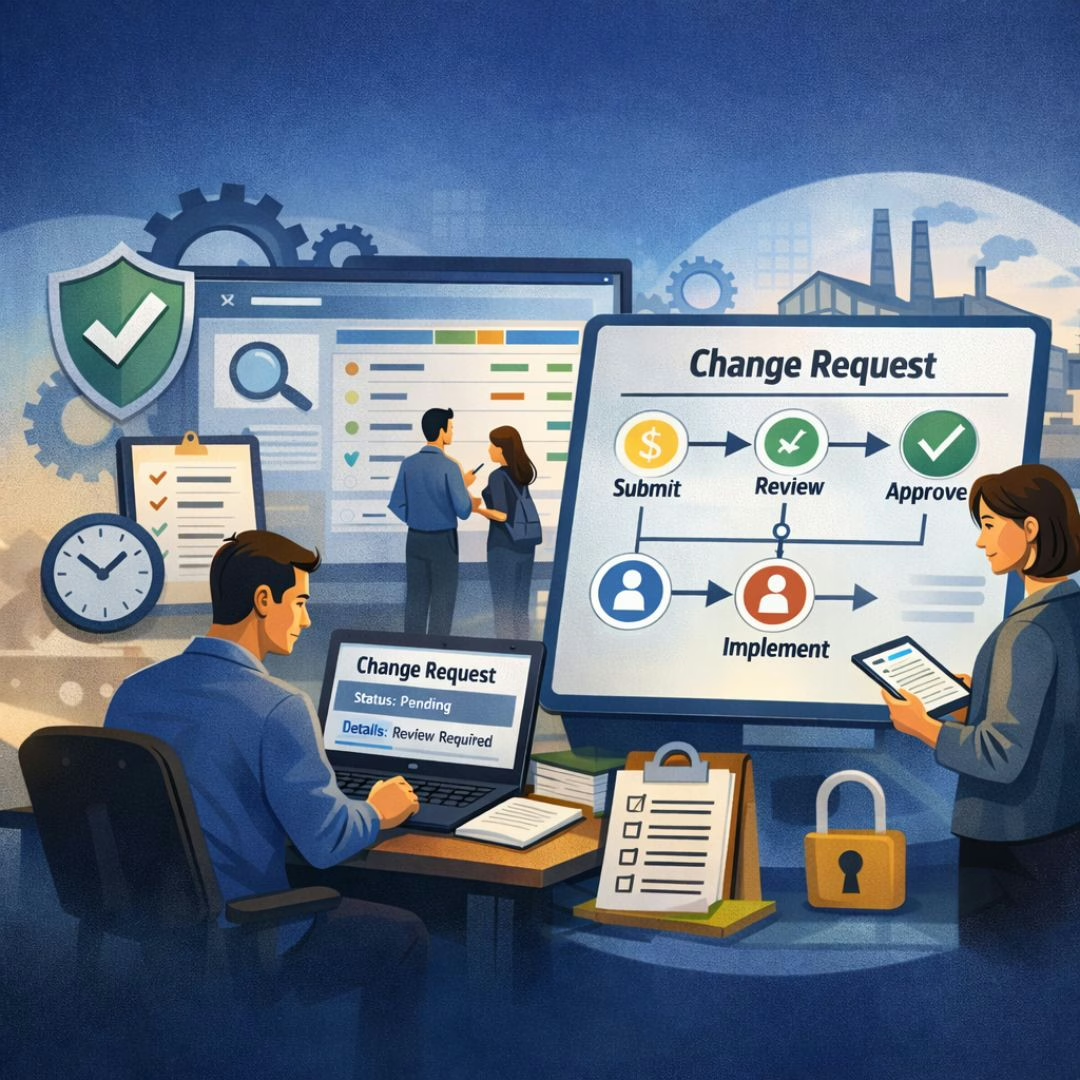
Organizations constantly evolve. Processes improve, equipment changes, and operational adjustments become necessary to keep everything running efficiently. But before any change is made, the first and most important step is often the request itself. When this initial stage lacks structure, even small updates can lead to confusion, delays, or missed communication.
A well-designed change request module creates a clear starting point for documenting and evaluating proposed changes. Instead of depending on emails or informal discussions, teams can submit requests through a consistent process that ensures clarity from the beginning. This approach could help organizations maintain better oversight while reducing operational risk.
Why the First Step Matters
Many challenges related to operational updates begin long before implementation. If requests are unclear or incomplete, reviewers may struggle to understand the purpose or impact of a change. This often leads to extra communication, slower approvals, and inconsistent decisions across teams.
A structured system makes sure essential details are captured right away — why the change is needed, who is affected, and what approvals are required. When everyone works from the same information, decision-making becomes faster and more reliable.
Using a change request management system supports consistency by guiding users through a standard format. This ensures that every request is evaluated fairly and that no critical detail is overlooked during review.
Improving Visibility Across Teams
As organizations grow, multiple departments may submit change requests at the same time. Without a centralized process, tracking progress can become difficult. Teams may lose visibility into who approved a request, what stage it is in, or when action is expected.
This is where change request tracking software becomes valuable. By providing real-time visibility into request status, organizations can reduce confusion and improve collaboration. Stakeholders no longer need to rely on follow-up emails or manual updates because progress is visible in one place.
Clear tracking not only saves time but also strengthens accountability. Everyone involved understands their role and responsibilities within the process, which could help reduce delays caused by missed communication.
Creating Consistent Workflows
Every organization has its own approval structure. Some requests may require input from technical teams, while others might need management or compliance review. A flexible workflow ensures that requests follow the right path without unnecessary complexity.
A digital change request workflow tool allows businesses to define how requests move from submission to approval. Automated notifications and reminders help keep tasks on track, reducing the need for manual follow-ups.
This structured workflow could help teams work more efficiently while ensuring that reviews happen in the correct order. Over time, consistent workflows lead to stronger internal processes and fewer operational surprises.
Supporting Better Decision-Making
When requests are properly documented and easy to review, decision-makers can focus on impact rather than searching for missing details. Historical records also become valuable, allowing teams to review past requests and learn from previous outcomes.
A reliable change request management software platform helps preserve this information in an organized way. Instead of lost documentation or scattered records, organizations build a knowledge base that supports future planning and continuous improvement.
Having access to historical data could help teams identify trends, recurring adjustments, or areas that require more attention, creating opportunities for smarter long-term decisions.
Encouraging Collaboration and Clarity
One of the hidden benefits of a structured request process is improved communication. When everyone follows the same format, teams speak a common operational language. Requesters know what information to provide, and reviewers know where to find it.
This clarity reduces misunderstandings and supports smoother collaboration between departments. Rather than reacting to unexpected changes, teams can align early and discuss requirements before action begins.
A transparent process also builds trust. Employees feel confident that requests are reviewed fairly and consistently, which encourages proactive improvement rather than hesitation.
Reducing Risk Through Structured Requests
Even small operational changes can have wider impacts. Without proper review, minor adjustments may unintentionally affect safety, quality, or compliance. A structured request process ensures that potential risks are considered before implementation begins.
Documenting decisions within a centralized system creates a clear audit trail, which could help organizations demonstrate accountability during internal reviews or external audits. This level of visibility supports stronger governance while reducing uncertainty around operational changes.
Moving Toward Controlled Improvement
Organizations that rely on informal processes often handle change reactively. While quick decisions may seem efficient in the moment, they can create inconsistencies over time. By introducing a structured request process, businesses shift toward controlled and predictable improvement.
A clear Change request management software provides stability while still allowing flexibility for innovation. Teams can propose improvements confidently, knowing that requests will be reviewed with proper context and oversight.
Final Thoughts
A strong operational environment starts with clear communication and well-defined processes. By focusing on the first stage of change — the request itself — organizations can create better visibility, stronger accountability, and improved collaboration.
Whether supported by a structured workflow or a centralized system, a thoughtful approach to change requests could help teams reduce risk while maintaining efficiency. Over time, this foundation strengthens operational control and enables organizations to adapt with confidence.
Book your personalized demonstration today
🚀 Start a trial today and see how our platform can support your safety goals!
📧 info@ehasoft.com | 🌐 www.ehasoft.com
📞 USA: +1 (941) 337-1671
📞 IE: +353 21 4536034
📞 UK: +44 800 8021092
For more information on how our solutions could help your organization stay ahead, contact us today!

Comments are closed