



Subtotal $0.00
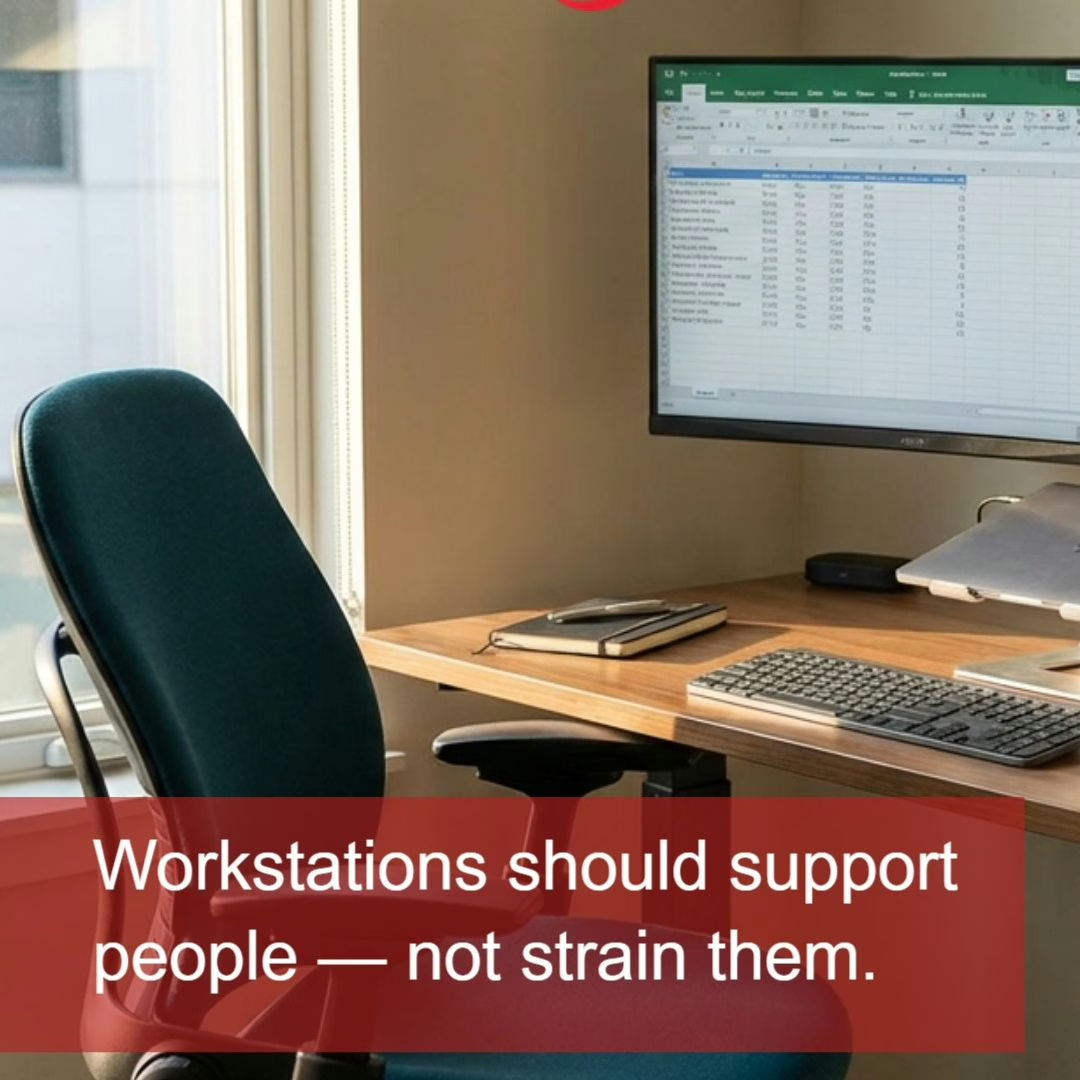
Workplaces have changed dramatically over the past decade. Screens are no longer confined to offices; they are central to how people work, communicate, analyze, and make decisions. From control rooms and home offices to laptops on shared desks, digital screens shape the daily experience of employees. Yet while technology has advanced rapidly, workstation ergonomics often lag behind.
A poorly designed workstation does not fail overnight. Its impact is gradual, silent, and cumulative. Discomfort becomes fatigue. Fatigue turns into reduced focus. Over time, this progression can lead to musculoskeletal strain, eye discomfort, and long-term health concerns. This is why organizations are increasingly re-evaluating how they approach display screen assessment—not as a one-time compliance activity, but as an ongoing responsibility toward workforce wellbeing.
Understanding the Real Purpose of DSE Assessments
A display screen equipment assessment is often misunderstood as a checklist exercise. In reality, its purpose goes far deeper. It exists to understand how individuals interact with their work environment and how that environment supports—or hinders—them throughout the day.
Every workstation presents a unique combination of factors: screen height, viewing distance, chair support, desk layout, lighting, glare, and work patterns. When these elements are misaligned, even slightly, the body compensates in unhealthy ways. Over time, this compensation could help explain why discomfort persists even in modern offices equipped with new furniture and technology.
Effective assessments consider the human body as part of the system, not an afterthought.
Moving Beyond Compliance Toward Prevention
Many organizations focus on meeting display screen at work regulations without fully addressing why those regulations exist. While compliance is essential, it represents the minimum threshold, not the goal.
Regulations aim to reduce risk, but real prevention requires understanding how risks develop in everyday working conditions. A display screen equipment risk assessment helps identify not only visible hazards, but also subtle ergonomic issues that may not cause immediate pain yet still affect long-term health and productivity.
By shifting attention from reactive fixes to proactive evaluation, organizations could help reduce absenteeism, improve concentration, and foster a culture that values employee wellbeing as much as output.
Why Screen-Related Risks Often Go Unnoticed
One of the challenges with VDU risk assessment is that screen-related issues rarely feel urgent. Unlike physical hazards that cause immediate injury, ergonomic risks develop slowly. Employees may normalize discomfort, assuming it is simply part of the job.
This normalization is dangerous. Persistent neck tension, wrist discomfort, and visual strain can quietly undermine performance and morale. Without structured assessment processes, these risks remain invisible until they escalate into medical issues or lost productivity.
Regular evaluations could help organizations detect these patterns early and address them before they become costly problems.
The Role of Training in Ergonomic Effectiveness
Even the most carefully designed workstation can fail if users do not understand how to adjust it. Ergonomic equipment is only effective when employees know how to use it correctly.
Education plays a critical role in any display screen equipment assessment strategy. Employees who understand proper posture, screen positioning, and the importance of movement are better equipped to protect themselves throughout the workday. Awareness also encourages self-reporting, making assessments more accurate and meaningful.
When people are empowered with knowledge, prevention becomes a shared responsibility rather than a top-down requirement.
Adapting Ergonomics to Changing Work Environments
Work environments are no longer static. Hybrid work models, flexible seating, and evolving roles mean that workstation setups change frequently. A one-time assessment cannot account for these shifts.
Ongoing display screen assessment processes allow organizations to adapt to change. Whether onboarding new employees, reconfiguring office layouts, or supporting remote workers, regular evaluation ensures that ergonomic considerations evolve alongside the business.
This adaptability could help organizations maintain consistency in health standards, regardless of where or how employees work.
Digital Systems and the Future of Ergonomic Management
Manual tracking of assessments often leads to inconsistencies, outdated records, and missed follow-ups. Digital systems offer a more structured and transparent approach.
A centralized platform for managing display screen equipment risk assessment data allows organizations to track trends, identify recurring issues, and prioritize improvements. Over time, this data becomes a valuable resource, offering insights into how work patterns affect employee health.
When ergonomics are managed systematically, decision-making becomes proactive rather than reactive.
Why Ergonomics and Productivity Are Closely Linked
Comfort is not a luxury; it is a performance factor. When employees are physically comfortable, cognitive load decreases, focus improves, and errors are reduced. This connection explains why organizations that invest in effective display screen equipment assessment often see benefits beyond health metrics.
Reduced discomfort can lead to better engagement, higher quality work, and improved retention. Employees who feel supported are more likely to contribute fully and sustainably.
Ergonomics, therefore, should be viewed as a strategic investment rather than an operational expense.
Creating a Culture That Values Wellbeing
Ergonomic initiatives are most effective when they are embedded in organizational culture. This means treating assessments as part of normal operations rather than occasional audits.
When leadership visibly supports ergonomic practices, employees feel encouraged to speak up about discomfort and suggest improvements. Over time, this openness fosters trust and shared accountability.
A strong ergonomic culture does not eliminate all risks, but it significantly reduces their impact.
Supporting Ergonomic Goals with the Right Tools
Digital solutions designed for workplace health management could help organizations simplify and strengthen their ergonomic efforts. Systems that integrate assessments, training, documentation, and follow-ups offer consistency and clarity.
EHA Soft Solutions provides Smart EHS tools that support structured, ongoing ergonomic management aligned with regulatory expectations and real-world working conditions. These tools are designed to help organizations manage display screen assessment processes efficiently while keeping people at the center of every decision.
A Thoughtful Step Toward Healthier Workplaces
Ergonomics is not about perfection; it is about continuous improvement. By regularly reviewing workstation setups, educating employees, and adapting to change, organizations could help create safer, more supportive environments.
If you are exploring ways to strengthen your approach to display screen equipment assessment and broader workplace wellbeing, learning more about structured digital solutions may be a practical next step. EHA Soft Solutions supports organizations in building systems that prioritize health, compliance, and long-term sustainability—without adding unnecessary complexity.
Reach out today to start your trial.
Book your personalized demonstration today
🚀 Start a trial today and see how our platform can support your safety goals!
📧 info@ehasoft.com | 🌐 www.ehasoft.com
📞 USA: +1 (941) 337-1671
📞 IE: +353 21 4536034
📞 UK: +44 800 8021092
For more information on how our solutions could help your organization stay ahead, contact us today!

Comments are closed