



Subtotal $0.00
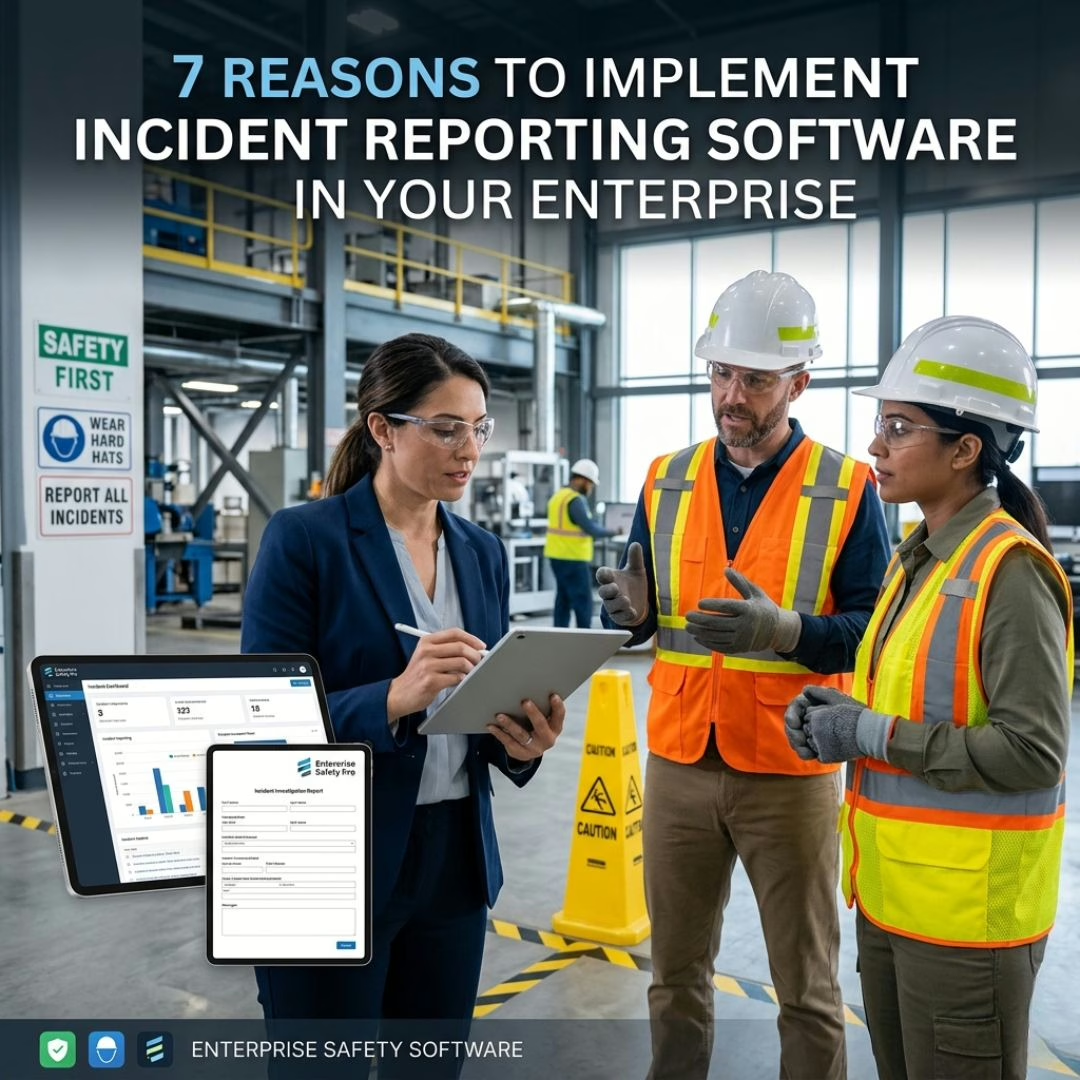
Workplace incidents can occur in any organization, regardless of industry or size. These events may include workplace accidents, near misses, unsafe conditions, or operational disruptions that could affect employee safety and business continuity. While it may not always be possible to eliminate every incident, organizations can strengthen their response by implementing a structured incident reporting and investigation process.
The purpose of this process is not simply to record incidents but to understand the underlying causes and implement improvements that could prevent similar events from happening again. However, many organizations still rely on manual methods such as spreadsheets, emails, or paper forms to capture incident data. These methods often create fragmented records and delayed investigations.
A digital Incident reporting software solution could help organizations capture incidents quickly, conduct structured investigations, and ensure that important information is documented in a consistent manner. Over time, this structured approach could help enterprises build a safer and more transparent workplace environment.
1. Understanding Incident Reporting and Investigation
Incident reporting and investigation refers to the process of documenting workplace events and examining the factors that contributed to them. Rather than treating incidents as isolated occurrences, organizations use this process to identify patterns, understand operational risks, and implement preventive actions.
A structured Workplace incident reporting system allows employees to report incidents, hazards, and near misses as soon as they occur. When information is captured early, investigators can analyze the situation more accurately and identify the conditions that led to the event.
Consistent Health and safety incident reporting could help organizations build a valuable knowledge base of operational risks. Over time, this information provides insights that help organizations improve workplace safety policies, training programs, and operational procedures.

2. Why Enterprises Are Moving Toward Digital Incident Reporting
As organizations grow, managing incident reports manually becomes increasingly complex. Reports may be stored in multiple documents or shared across departments through emails, making it difficult to maintain visibility over investigations and corrective actions.
A centralized Incident report and investigation software platform could help organizations manage reporting and investigation processes within a single environment. This type of system allows teams to capture incident information, document investigation findings, and track corrective actions more efficiently.
Digital platforms could also help improve transparency by giving safety teams better visibility into ongoing investigations. When incident information is centralized, organizations can analyze trends more easily and identify recurring risks across departments or operational areas.

3. Structured Reporting That Improves Data Accuracy
Capturing accurate information immediately after an incident is critical for effective investigations. When incident details are incomplete or delayed, investigators may struggle to reconstruct the sequence of events.
A modern Incident reporting software solution could simplify reporting through structured digital forms that guide users to provide essential information. Employees can document details such as the location of the incident, time, contributing factors, and witnesses in a consistent format.
Simplifying the reporting process encourages employees to report hazards and near misses more frequently. Increased reporting visibility could help organizations detect emerging risks early and take preventive action before serious incidents occur.

4. Configurable Investigation Workflows for Real Operational Needs
Organizations often follow different procedures when investigating incidents. Some industries require detailed compliance documentation, while others focus on operational learning and risk prevention.
Flexible Incident investigation software could help organizations configure investigation workflows according to their internal processes. Investigators can document observations, record contributing factors, and track corrective actions within a structured yet adaptable system.
This flexibility allows organizations to maintain consistency across investigations while ensuring that workflows remain aligned with operational realities.
Organizations seeking a structured approach to incident reporting and investigation could benefit from a configurable platform like EHA Soft’s mai™ Incident Report & Investigation module. The solution could help teams capture incidents quickly, guide investigators through configurable workflows, and centralize investigation data within a single system.
Because investigation procedures vary across organizations, the mai™ module is designed to be adaptable and configurable. This flexibility could help organizations align incident investigations with their internal safety processes while maintaining clear visibility across teams and locations.

5. Protecting Incident Data and Supporting GDPR Compliance
Incident investigations often involve sensitive information, including employee statements, operational details, and internal safety observations. Protecting this information is essential for maintaining trust and ensuring compliance with privacy regulations.
Modern Incident report and investigation software platforms incorporate security features designed to support frameworks such as GDPR. These may include role-based access controls, secure data storage, and audit trails that document how incident information is accessed and used.
Such safeguards could help organizations ensure that incident data remains protected while still allowing investigators to perform thorough analyses.

6. Linking Incident Investigations With Risk Assessment
Investigating incidents becomes far more valuable when the insights gained are used to strengthen risk management processes. Without this connection, investigation findings may remain isolated and fail to drive meaningful improvements.
A connected Workplace incident reporting system could help organizations link investigation outcomes with their broader risk assessment processes. When recurring hazards are identified, organizations can update risk assessments and implement stronger control measures.
EHA Soft’s mai™ Incident Report & Investigation module integrates with risk assessment tools, allowing organizations to connect incident findings directly with risk management activities. This connection could help prevent similar incidents from occurring again by addressing underlying hazards more effectively.

7. Turning Incident Data Into Organizational Learning
Organizations that treat incidents as learning opportunities often achieve stronger safety outcomes. When incidents are documented consistently and investigated thoroughly, they provide valuable insights into operational weaknesses and opportunities for improvement.
A centralized Incident investigation software platform allows organizations to analyze incident trends across departments, locations, and time periods. These insights could help leaders identify systemic issues and prioritize preventive actions.
Over time, structured Health and safety incident reporting becomes more than a compliance activity. It becomes a strategic process that supports continuous improvement, operational transparency, and a proactive safety culture.

Conclusion
Workplace incidents can provide valuable lessons when they are reported and investigated effectively. A structured incident reporting and investigation process allows organizations to capture accurate information, analyze root causes, and implement improvements that reduce future risks.
Digital tools such as Incident reporting software and Incident investigation software could help organizations move beyond manual reporting methods and establish a more efficient and transparent investigation process.
Solutions like EHA Soft’s mai™ Incident Report & Investigation software provide organizations with a centralized platform for capturing incidents, conducting configurable investigations, and linking findings with risk assessments. By implementing a modern Workplace incident reporting system, organizations could strengthen their health and safety incident reporting practices and transform incidents into opportunities for continuous improvement.

Book your personalized demonstration today
🚀 Start a trial today and see how our platform can support your safety goals!
📧 info@ehasoft.com | 🌐 www.ehasoft.com
📞 USA: +1 (941) 337-1671
📞 IE: +353 21 4536034
📞 UK: +44 800 8021092
For more information on how our solutions could help your organization stay ahead, contact us today!

Comments are closed