



Subtotal $0.00
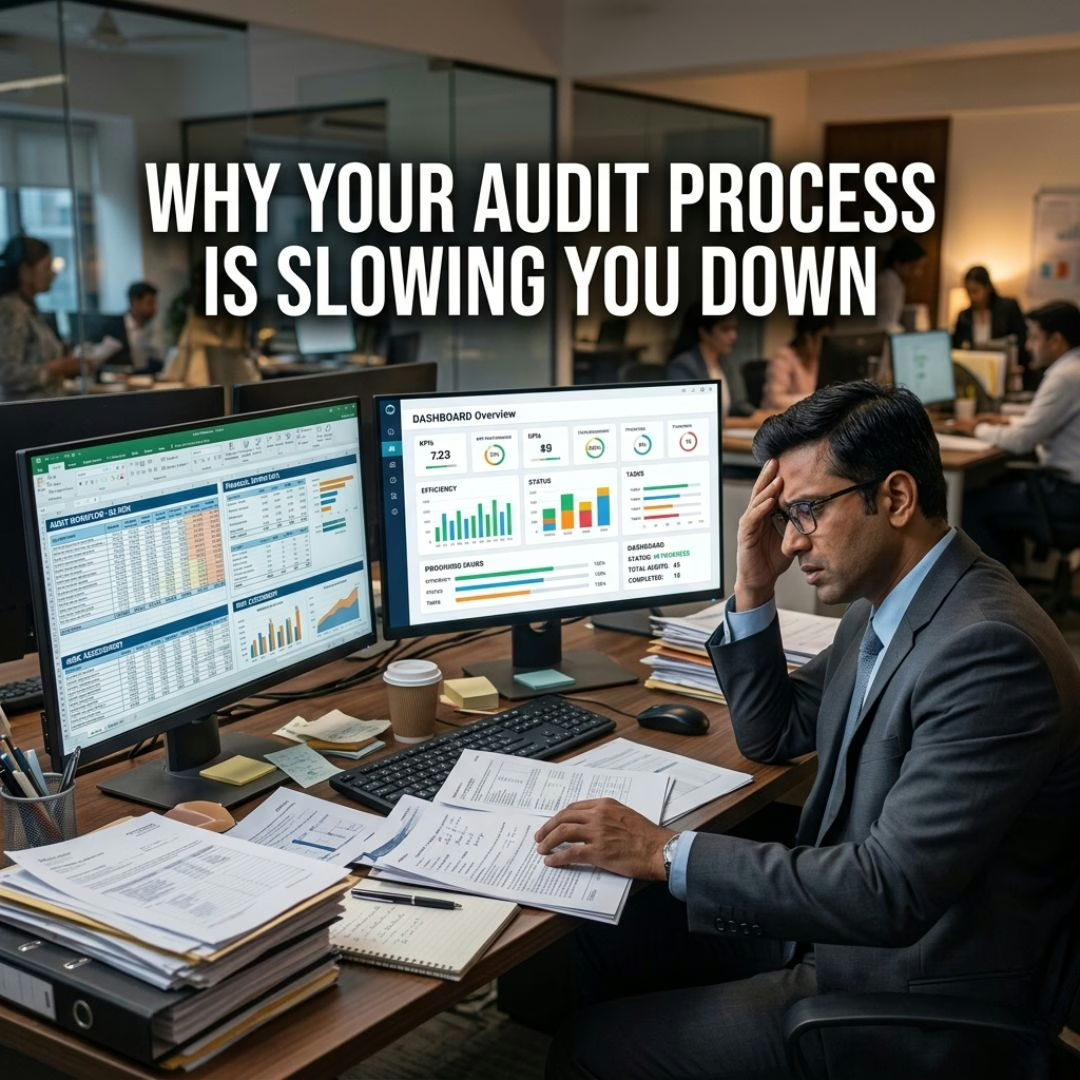

Audits are meant to bring clarity, not confusion. Yet in many organizations, they end up doing the opposite—slowing down operations, increasing workload, and creating avoidable delays. When audits take longer than expected, the issue often lies not in the intent, but in how the process is managed.
A slow audit process can quietly impact productivity, decision-making, and even compliance outcomes. Understanding what causes these delays is the first step toward improving them.
Where Things Start Slowing Down

Many teams still rely on spreadsheets, emails, or paper-based checklists to manage audits. While these methods may seem familiar, they often create inefficiencies. Information gets scattered, updates are missed, and tracking progress becomes more complicated than it should be.
Without a centralized approach, even basic tasks—like reviewing findings or assigning corrective actions—can take longer. Over time, these small delays add up and begin to affect the overall workflow.
In such situations, moving toward a structured audit management system could help bring better organization and consistency to the process.
The Visibility Problem

One of the biggest challenges in traditional audits is the lack of real-time visibility. When teams cannot clearly see the status of audits, pending actions, or recurring issues, decision-making slows down.
Managers may need to follow up multiple times just to get updates, and important insights can get delayed. This not only affects timelines but also reduces the effectiveness of audits as a tool for improvement.
Using modern audit management solutions could help provide a clearer picture by bringing all audit-related data into one place.
Disconnected Workflows Create Delays

Another common issue is the disconnect between different stages of the audit process. Planning, execution, reporting, and follow-ups are often handled separately, which can lead to gaps in communication.
When findings are not tracked properly or actions are not followed through, the same issues may keep reappearing. This creates a cycle of repeated work instead of continuous improvement.
A more integrated approach—supported by an audit management module—could help connect these stages and ensure smoother transitions from one step to the next.
Why Flexibility Matters More Than Ever

Audits today go beyond compliance. Organizations are increasingly using them for inspections, operational reviews, and even housekeeping checks. This means the process needs to be flexible enough to adapt to different scenarios.
Rigid systems or manual methods may struggle to keep up with these evolving needs. On the other hand, a more adaptable approach could allow teams to customize checklists, workflows, and reporting formats based on specific requirements.
Flexibility also becomes crucial in field operations. In many cases, teams work in environments where internet access is limited or inconsistent. An audit solution that works offline could help ensure that audits continue without interruption.
Additionally, having access through a mobile app could make audits more practical for on-site teams. Whether it’s capturing observations, completing checklists, or recording findings in real time, an app-based approach could help improve accuracy and reduce delays. Once connectivity is restored, data can sync automatically, keeping everything up to date.
Reducing Manual Effort

Manual processes often lead to repetitive tasks—entering data multiple times, sending reminders, or compiling reports. These activities not only consume time but also increase the risk of errors.
Digital tools can help reduce this burden by automating routine steps. A well-designed audit management software could help streamline scheduling, documentation, and reporting, allowing teams to focus more on analysis and improvement.
This shift from manual to automated workflows can make audits faster, more consistent, and easier to manage.
From Data Collection to Insight

Audits generate a large amount of data, but collecting data alone is not enough. The real value lies in how that data is used.
When audit information is organized and accessible, it becomes easier to identify patterns, track recurring issues, and measure performance over time. This could help organizations move beyond reactive problem-solving and take a more proactive approach.
Some teams consider adopting the best internal audit software not just for managing audits, but for gaining better insights that support long-term improvement.
Making Audits Less Burdensome for Teams

A complicated audit process can affect team engagement. When audits feel time-consuming or unclear, participation may decrease, and the quality of outcomes can suffer.
Simplifying the process—through better tools and clearer workflows—could help create a more positive experience. When teams understand what needs to be done and have the right support, audits become less of a burden and more of a useful activity.
A More Practical Way Forward

Improving your audit process doesn’t require a complete overhaul. Often, small but meaningful changes can make a noticeable difference.
Introducing a centralized system, improving visibility, and reducing manual effort are practical steps that could help speed up audits while maintaining accuracy.
For organizations exploring ways to simplify audits, solutions like mai™ Audit by EHA Soft could offer a more structured and flexible approach. With features designed to support real-world audit scenarios—including offline functionality—it may help teams manage audits, inspections, and housekeeping checks more efficiently without adding complexity.
Conclusion

A slow audit process can hold back progress, but it is not a permanent problem. By identifying inefficiencies and adopting smarter ways of working, organizations could improve both speed and effectiveness.
With the support of modern tools and a more connected approach, audits can shift from being time-consuming tasks to valuable drivers of improvement.
FAQs
- Why do audit processes become slow?
Audit processes often slow down due to manual methods, lack of visibility, and disconnected workflows. These factors can make tracking, reporting, and follow-ups more time-consuming.
- How can an audit management system improve efficiency?
An audit management system could help centralize data, streamline workflows, and improve visibility, making it easier to manage audits and reduce delays.
- Can audit software be used for inspections as well?
Yes, many modern solutions can also support inspections and housekeeping checks, allowing organizations to manage different types of assessments within one platform.
- What features should you look for in audit software?
Key features may include customizable checklists, real-time tracking, reporting tools, and offline functionality to support field operations.
- What is the benefit of using the best internal audit software?
The best internal audit software could help improve accuracy, reduce manual effort, and provide insights that support better decision-making and continuous improvement.
Book your personalized demonstration today
🚀 Start a trial today and see how our platform can support your safety goals!
📧 info@ehasoft.com | 🌐 www.ehasoft.com
📞 USA: +1 (941) 337-1671
📞 IE: +353 21 4536034
📞 UK: +44 800 8021092
For more information on how our solutions could help your organization stay ahead, contact us today!

Comments are closed